Dates That Matter
The Rollout Timeline
Public Beta
Since April 2026 any permitted receiving site can join the public beta and start uploading receipt data via API or spreadsheet.
Receivers: Mandatory
From 1 October 2026, permitted waste receiving sites in England and Wales must record every load digitally — Scotland and Northern Ireland follow in January 2027.
Collectors Next
Carriers, brokers and dealers get a private beta from autumn 2026, public beta spring 2027, and mandatory recording from October 2027.
Households Exempt
Domestic collections and trips to household recycling centres stay out of scope. Selling household scrap changes nothing for you.
What Must Be Recorded
For each load received, the operator must complete the specified steps by the end of the second working day after receipt:
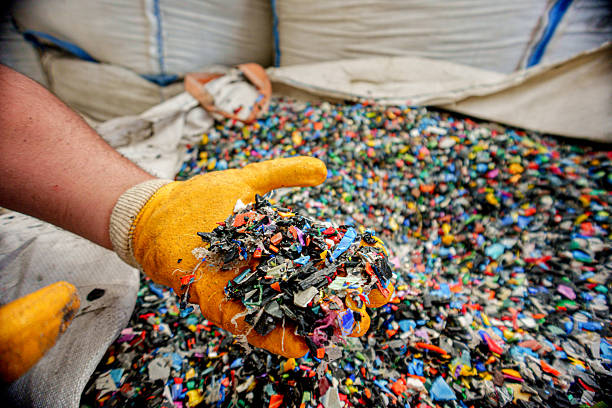
Classification codes
European Waste Catalogue and SIC codes identifying exactly what the waste is and the activity that produced it.

Parties & references
Unique movement references plus the dispatching and receiving parties — no more anonymous handoffs.
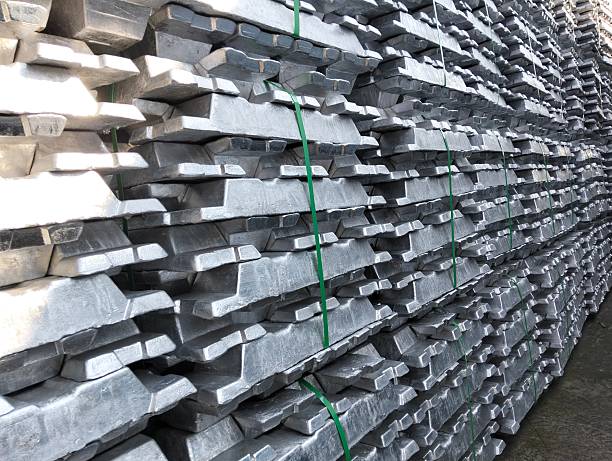
Outcomes & destinations
Treatment applied and end destination — the record follows the waste to its final recovery or disposal point.
For Businesses
What It Means for Your Business
If you run a garage, factory, warehouse, office or site producing scrap and e-waste, DWT phase 1 does not ask you to file anything new on day one — the October duty sits with receiving sites. But the direction is unmistakable: within a year, every commercial waste movement will need a clean digital trail. Businesses that already keep tidy records will sail through; businesses running on handshake deals and unreceipted collections are heading for trouble.
The single best preparation is boring but free: make sure every load off your site is documented — what went, when, with whom, and where. Which is exactly what a proper collection service already gives you:

FAQs
Waste Tracking FAQs
Does DWT affect my household scrap?
No. Household collections and household recycling centre trips are explicitly out of scope. Nothing changes for domestic sellers.
Do I need to register for anything now?
Producers do not register under phase 1. Keep using licensed collectors and keep your collection paperwork — that is the preparation that counts.
What happens to paper waste transfer notes?
They are being replaced load by load as each phase goes mandatory. Keep issuing and filing them until your phase switches — then it is digital.
What if a collector cannot use the system?
Defra has committed to alternative routes for digitally excluded operators, with legislation in place ahead of each mandate. Watch the official guidance.
How do I prove where my waste went?
Collection documents, invoices and itemised weight breakdowns from a licensed collector — exactly what our commercial collections produce as standard.
Where is the official guidance?
On GOV.UK: the digital waste tracking service pages and the 2026 Regulations themselves.
Get Your Waste Trail in Order
Documented collections with itemised weights — the records backbone DWT expects, starting now.
Request a Collection Call 07793 020266