What We Pay For — and What We Don't
This is the part most people get backwards. Memorise these two lists and you will never be surprised.
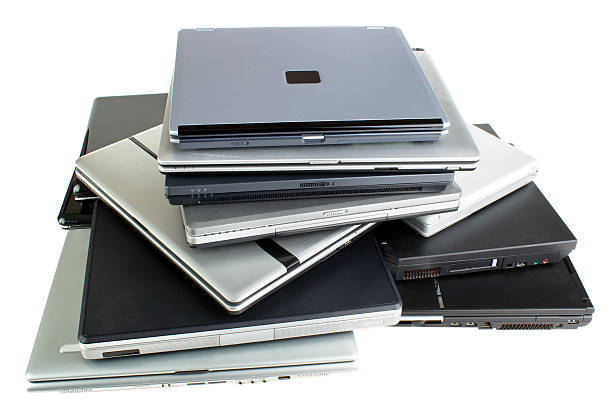
Computers & Laptops
Desktops, towers, workstations, business and domestic laptops — bought whole, with components graded inside. See e-waste prices.
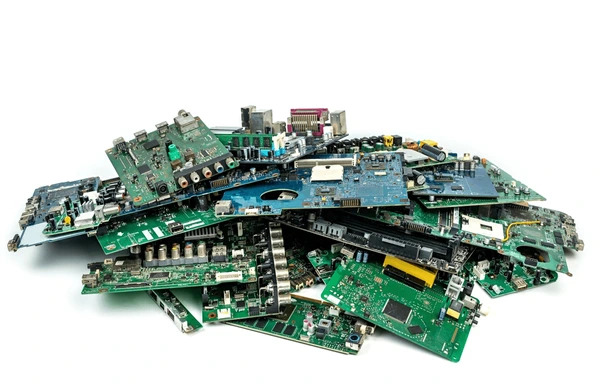
Boards & Components
Motherboards, RAM, CPUs, graphics cards, hard drive boards and telecoms boards. Leave components on — see selling circuit boards.
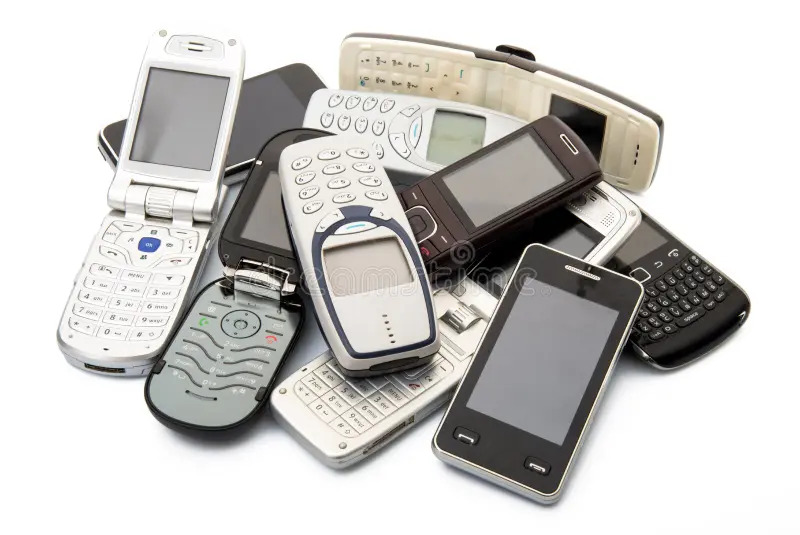
Phones, Drives & Cable
Smartphones and handsets, hard drives and SSDs, CAT and power cable, plus lead-acid batteries. All bought, all collected.
Disposal-only: TVs, monitors & similar screens
Old TVs, monitors and similar display equipment are never bought — they are hazardous waste that costs money to treat (leaded glass, mercury backlights), so they carry a disposal fee. Anyone offering to pay you for a CRT television is either confused or cutting corners. Full detail in the disposal section below.
From Kerb to Recovery
How E-Waste Processing Actually Works
Collected e-waste does not go into a hole, a furnace or a shipping container. It moves through a chain where each step exists to pull value out and keep hazards in. Here is the chain your load travels:
Collection & Triage
Loads are collected loose or palletised, then sorted on arrival: paying grades apart, disposal items apart, batteries and screens into their own streams from the start.
Data Segregation
Hard drives, SSDs and storage-bearing equipment flagged at booking are segregated immediately, so data-bearing items never travel the general route. Back up and wipe where possible first.
Dismantling
Whole units come apart by hand and bench: boards, drives, cable, batteries, motors and casings separated into clean streams. This manual step is where most of the value is captured.
Shredding & Separation
Remaining mixed material is shredded, then magnets pull the steel, eddy currents throw out the aluminium and copper, and density and optical sorting split what is left.
Refining & Recovery
Sorted metals go to smelters and refiners: copper and aluminium back to metal, precious traces recovered from board fractions, steel back into the loop.
Documented Trail
Every business load carries paperwork showing what was collected, when, and the compliant route it took — the backbone of your duty of care file.
What Gets Recovered
A computer is a small mine. Here is roughly where the value sits.
Our Standards
Waste Commitments on Every Load
Disposal Items
TVs, Monitors & Batteries: Why the Rules Differ
For Businesses
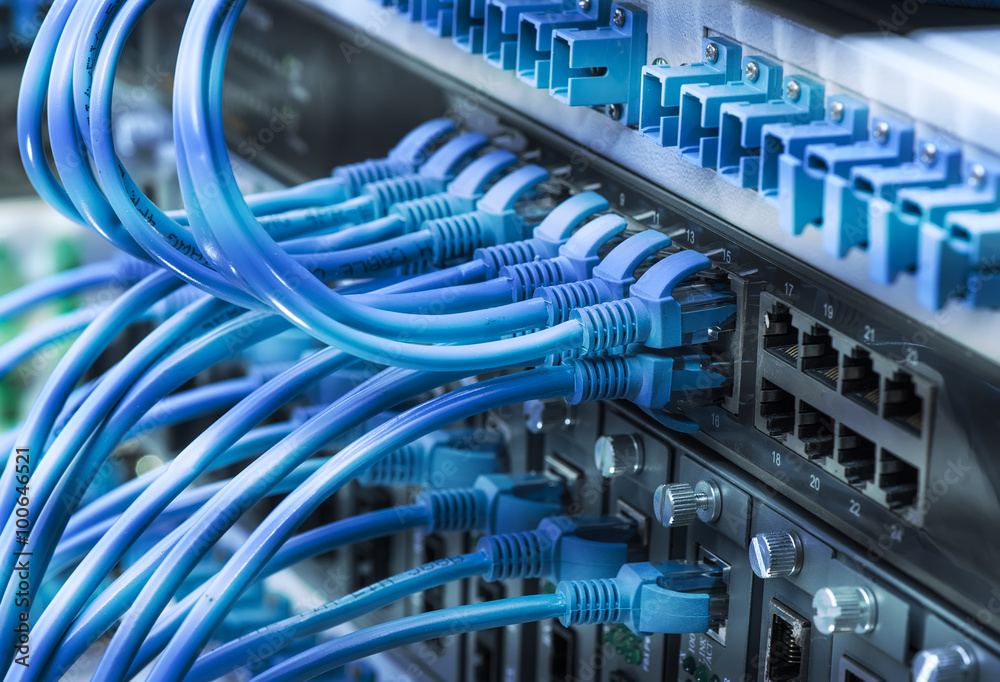
Commercial E-Waste: Offices, Schools & Server Rooms
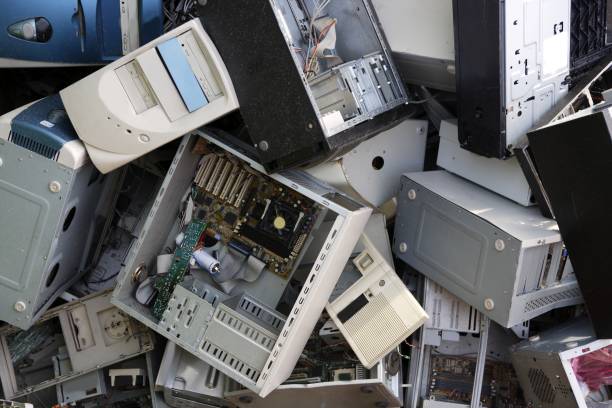
Before You Book
Preparing E-Waste for Collection
FAQs
E-Waste FAQs
What counts as e-waste?
Anything with a plug, battery or circuit board — computers, phones, servers, appliances, tools, lighting, toys and screens.
What e-waste do you pay for?
Circuit boards, laptops, PCs, hard drives, RAM, CPUs, cable, phones and batteries. See current e-waste prices.
Why is there a fee for TVs and monitors?
Old screens contain hazardous fractions like leaded glass and mercury backlights that cost money to treat. The fee covers compliant disposal.
What happens to my data on old drives?
Flag all drives before collection so they take the segregated, data-aware route. Back up and wipe where possible first.
How is e-waste actually processed?
Sorted and triaged, dismantled, then shredded with magnets, eddy currents and density sorting splitting the streams before smelters refine the metals.
Do businesses get paperwork?
Yes — business collections come with a documentation trail of what was collected, when, and the compliant route onwards.
Do you take lithium batteries?
They need specialist routes outside standard collection — call first with details so the right handling can be arranged.
Do you collect across West Yorkshire?
Yes — domestic and commercial e-waste in Leeds, Wakefield, Bradford, Huddersfield and surrounding areas.
Got E-Waste to Shift?
Single laptops to server-room clearances — inventory, photos and postcode get you an honest answer fast.
Request a Collection Call 07793 020266